

This comprehensive guide explores how kitchen orangery extensions are transforming homes across the UK in 2025. We examine why orangeries have become the extension of choice for modern kitchens, covering design possibilities, planning requirements, costs, and practical considerations. From open-plan kitchen-dining spaces to seamless indoor-outdoor living, discover how a kitchen orangery can create the perfect heart of your home whilst adding significant value to your property.
Ready to create your dream kitchen orangery in Mansfield, Nottinghamshire, South Yorkshire, or Derbyshire? Contact Rosebrick Developments today for expert design and build services that transform houses into homes.
Key topics covered:
- Why kitchen orangeries are the top extension trend for 2025
- Design options from traditional to contemporary styles
- Planning permission and building regulation requirements
- Cost analysis and return on investment for kitchen orangeries
- Layout ideas for different property types and family needs
- Integration with existing homes and garden connections
- Lighting, heating, and ventilation considerations for year-round comfort
- How kitchen orangeries compare to traditional extensions and conservatories
The kitchen has evolved from a purely functional space to the heart of the modern home, where families gather, entertain, and live. Kitchen orangery extensions perfectly capture this transformation, offering a sophisticated blend of traditional craftsmanship and contemporary living that creates stunning, light-filled spaces for modern life.
Why Kitchen Orangeries Are Leading 2025 Extension Trends
Kitchen orangery extensions have become the extension of choice for discerning homeowners, and it’s easy to understand why. These sophisticated structures combine the best elements of traditional extensions and conservatories, creating spaces that are both practical and beautiful.
Recent trends show that homeowners are seeking large, open-plan spaces that combine kitchen, dining, and relaxation areas in one light-filled environment. An orangery delivers this perfectly, offering the structural integrity needed for a working kitchen whilst providing the natural light and garden connection that makes dining and entertaining so appealing.
The rise of hybrid working has also influenced kitchen design, with many families wanting spaces that can serve multiple functions throughout the day; from morning coffee and home-schooling to evening entertaining and weekend relaxation.
What Makes an Orangery Perfect for Kitchens?
Unlike traditional conservatories, orangeries feature solid perimeter walls with large windows and a flat roof topped with glazed lanterns. This design provides several crucial advantages for kitchen use:
Structural Integrity
The solid walls can accommodate kitchen units, appliances, and utility connections without compromise. Wall-mounted cabinets, cooker hoods, and even range cookers can be installed with confidence.
Thermal Performance
Superior insulation compared to conservatories means consistent temperatures year-round – essential for food preparation and storage. No more overheating in summer or struggling with condensation in winter.
Services Integration
Proper foundations and solid construction allow seamless integration of plumbing, electrical services, and gas connections needed for modern kitchens.
Natural Light Control
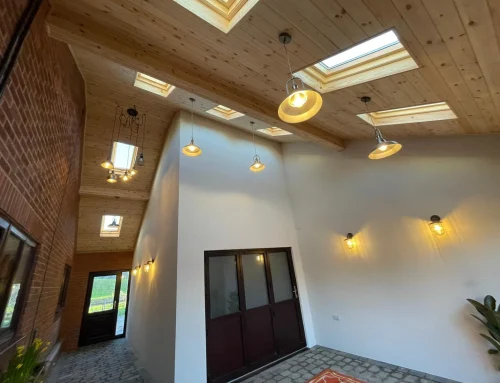
The combination of glazed roof lanterns and solid walls provides excellent natural light whilst avoiding the greenhouse effect of fully glazed structures.
Design Possibilities: From Traditional to Contemporary
Kitchen orangeries offer remarkable design flexibility, working beautifully with both period and modern properties:
Traditional Georgian Style:
- Elegant proportions with classical pilasters
- Large sash windows with glazing bars
- Symmetrical design and painted timber frames
- Perfect for period properties requiring sensitive extensions
Contemporary Modern:
- Clean lines with slimline glazing systems
- Floor-to-ceiling windows and bi-fold doors
- Minimalist roof lanterns with structural glazing
- Ideal for modern homes wanting sophisticated extensions
Country Kitchen Style:
- Natural materials like stone or painted brick
- Cottage-style windows with smaller panes
- Traditional roof lanterns with decorative details
- Beautiful for rural properties and character homes
Industrial Modern:
- Exposed steel frame construction
- Large format glazing with minimal frames
- Concrete or rendered block construction
- Perfect for urban properties and contemporary architecture
Layout Ideas for Different Family Needs
Open-Plan Kitchen-Dining
The most popular layout combines cooking, dining, and relaxation in one flowing space. Position the kitchen along one solid wall with an island or peninsula extending into the orangery space. Dining areas benefit from the natural light whilst being close enough for easy serving.
Kitchen-Family Room
Perfect for busy families, this layout includes comfortable seating areas alongside the kitchen and dining space. Soft furnishing zones can be positioned to take advantage of garden views whilst maintaining easy supervision of children.
Entertainer’s Kitchen
Designed for those who love hosting, these layouts often include breakfast bars, wine storage, and generous entertaining areas that flow seamlessly to outdoor spaces through bi-fold doors.
Compact Efficiency
Even smaller orangeries can transform kitchen spaces. Galley kitchens can be extended with dining areas, or existing cramped kitchens can gain valuable prep space and storage.
Planning Permission and Building Regulations
Kitchen orangeries are treated as single-storey extensions for planning purposes, but their kitchen use adds complexity:
Permitted Development Considerations:
- Standard size limits apply (3-4m depth depending on property type)
- Larger extensions up to 6-8m possible under prior approval scheme
- Materials must complement existing property
- Cannot exceed 50% of original garden area
Building Regulations Requirements
This is where it gets a bit complicated, and it depends on what you’re planning to do with the space.
If you’re building a simple orangery under 30 square metres that you’ll use as a garden room or chill-out space, with external doors separating it from the existing house, you might not need building regulations at all. It’s not classed as a habitable room, so you can literally build it without building regs.
But when you start putting kitchens in, it’s a different story. Kitchen orangeries almost always need building regulations approval because:
- You’re creating a habitable space
- You’re usually knocking through into the existing house
- Kitchen ventilation and extraction requirements
- There are limits on glazing percentages for habitable rooms
- Fire safety considerations for cooking areas
The key difference is whether you’re keeping it separate from the house or integrating it as part of your main living space.
Kitchen-Specific Requirements
When you’re doing a kitchen orangery that needs building regs, there are specific standards to meet:
- Building control will come out and survey each stage of the project
- Adequate ventilation for cooking fumes
- Appropriate electrical supply for kitchen appliances
- Gas supply connections if required
- Drainage for sinks and dishwashers
- Compliance with kitchen safety regulations
- Limits on glazing percentages for habitable spaces
For anything complicated involving planning areas or specific requirements, it’s worth getting an architect involved early on. They can navigate the regulations and help you understand what’s possible on your specific site. Alternatively, we can do this for y0u.
Cost Analysis: Investment and Returns
Kitchen orangery extensions represent a significant investment, but one that typically delivers excellent returns:
Typical Costs (2025):
- Small kitchen orangery (4m x 4m): £35,000 – £50,000
- Medium kitchen orangery (6m x 4m): £50,000 – £75,000
- Large kitchen orangery (8m x 5m): £75,000 – £100,000
Cost Variables:
- Size and complexity of design
- Quality of glazing systems
- Kitchen specification level
- Site conditions and access
- Local labour and material costs
Return on Investment: Kitchen orangeries typically add 10-15% to property value, significantly outperforming most other home improvements. The combination of additional space and kitchen upgrade often recoups 80-100% of investment costs.
Making It Look Like It’s Always Been There
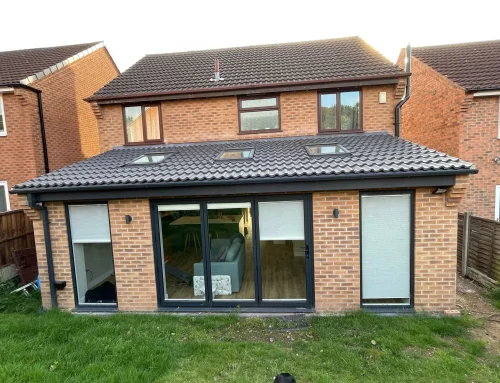
The trick with any good orangery is making it look like it belongs. We’ve seen too many extensions that stick out like a sore thumb because someone didn’t think about how it would sit with the existing house.
If you’ve got a Victorian terrace, don’t go sticking a ultra-modern glass box on the back. Use similar materials, match the window proportions, and keep the scale sensible. That doesn’t mean it has to be a pastiche – a well-designed orangery can actually make your existing house look better.
Inside, you want people walking from the house into the orangery without it feeling like they’re going into a different building. Wide openings work much better than standard doorways, and keeping the floor levels the same makes a massive difference. We always try to run the heating and electrics as a natural extension of what’s already there rather than bolting on separate systems.
Getting the Light and Garden Connection Right
This is where orangeries really come into their own. That roof lantern becomes your window to the sky – you’ll find yourself looking up whilst you’re cooking, watching the weather change. It’s quite something when you get it right.
Bi-fold doors are brilliant for entertaining. Open them up in summer and your kitchen basically extends onto the patio. Even in winter, just being able to see the garden makes the space feel bigger. We always ask clients what they’ll be looking at from their sink – there’s no point having a lovely orangery if you’re staring at the neighbour’s wheelie bins whilst doing the washing up.
One thing we’ve learned is to think about the garden lighting too. A well-lit garden extends the usable hours of your orangery, especially in winter when it gets dark early.
Lighting That Actually Works
Natural light is fantastic, but you need proper artificial lighting too. We see a lot of orangeries where people haven’t thought this through properly.
During the day, position your work surfaces to make the most of that natural light. Light worktops and splashbacks help bounce it around. For the roof, automated blinds are worth the investment – they take the heat out of summer sun without making the space too dark.
For evenings, you need different types of lighting for different jobs. Bright task lighting where you’re prepping food, softer lighting for eating, maybe some feature lighting to show off the space. Modern LED systems can be set up to adjust automatically, which sounds fancy but is actually quite practical.
Keeping It Comfortable All Year
One of the main reasons people choose orangeries over conservatories is comfort. Those solid walls make a real difference – no more boiling in summer or freezing in winter.
Underfloor heating works well in orangeries. It gives you even heat without taking up wall space or creating cold spots. Plus, because the heat comes up from the floor, it works well with all that glazing.
For summer, the opening roof lanterns and bi-fold doors create a natural chimney effect – hot air goes up and out, cool air comes in at the bottom. You’ll still need proper kitchen extraction for cooking, but the natural ventilation helps keep things comfortable.
Planning Your Kitchen Layout
Designing a kitchen in an orangery is a bit different from a normal extension. You’ve got all that light and those views to work with, but you also need to be practical about storage and work flow.
The classic work triangle – sink, hob, fridge – still applies, but you want to think about how the natural light falls and where the architectural features are. We often find the best layouts put the sink facing the garden and position the main prep area to take advantage of the natural light.
Storage can be tricky with all that glass, but it forces you to be more creative. Full-height units on the solid walls give you plenty of space, and open shelving can look great against the glazed areas. The key is not cluttering up those clean lines that make orangeries look so good.
Materials need to work with all that natural light. Some stones look amazing when the sun hits them, whilst high-gloss units can create glare. We usually steer clients towards materials that work with the indoor-outdoor feel – maybe stone that matches the garden paving or timber that picks up the window frames.
Thinking Ahead
A kitchen orangery is a big investment, so it’s worth thinking about how your needs might change. Young families need flexible spaces that can grow with the kids – dining areas that can become homework spaces, islands that work for food prep and family life.
Technology changes fast, so we try to future-proof where we can. Plenty of power for modern appliances, space for electric car charging, and decent infrastructure for wifi and smart home systems. These things are much easier to plan in than retrofit later.
Sustainability is becoming more important too. Many orangery roofs are perfect for solar panels, and modern glazing can be surprisingly energy-efficient. These features pay for themselves over time and add to the long-term value.
Common Challenges and Solutions
Condensation Management
Proper ventilation design and high-performance glazing prevent condensation issues that can affect kitchen environments.
Temperature Control
Balanced approach to glazing area and solid construction, combined with appropriate heating and cooling systems.
Privacy Concerns
Strategic placement of obscured glazing, landscaping, and window treatments maintain privacy whilst preserving light.
Planning Complications
Professional design that respects local planning policies and neighbour concerns ensures smooth approval processes.
Working with Design and Build Specialists
Kitchen orangery extensions require expertise across multiple disciplines:
Architectural Design:
- Understanding of orangery proportions and detailing
- Knowledge of planning and building regulation requirements
- Experience with kitchen design integration
- Sensitivity to existing property character
Structural Engineering:
- Foundation design for orangery construction
- Integration with existing building structure
- Glazing support systems
- Kitchen loading requirements
Building Services:
- Kitchen ventilation and extraction design
- Heating and cooling system integration
- Electrical supply for kitchen appliances
- Plumbing and drainage connections
Transform Your Home Today
Kitchen orangery extensions represent the perfect fusion of traditional craftsmanship and modern living. They create spaces that work beautifully for contemporary family life whilst adding significant value to your property.
The key to success lies in understanding your family’s needs, your property’s character, and the opportunities offered by your site. Professional design and build services ensure all these elements come together seamlessly.
At Rosebrick Developments, we’ve been creating stunning kitchen orangery extensions across Nottinghamshire, South Yorkshire, and Derbyshire since 2014. Our comprehensive design and build approach means we handle everything from initial concept through to final completion, ensuring your kitchen orangery becomes the perfect heart of your home.
Our experienced team understands the unique requirements of kitchen orangeries, from planning permission and building regulations through to the specialised construction techniques needed for these sophisticated extensions. We work closely with you to create spaces that perfectly match your lifestyle whilst complementing your property’s existing character.
Ready to create your dream kitchen orangery in Mansfield, Nottinghamshire, South Yorkshire, or Derbyshire? Contact Rosebrick Developments today for expert design and build services that transform houses into homes.


Leave A Comment